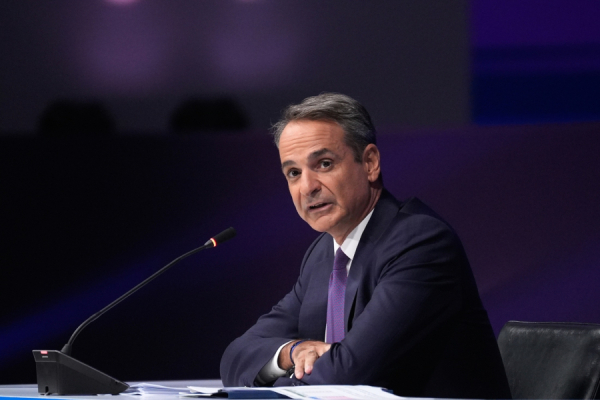
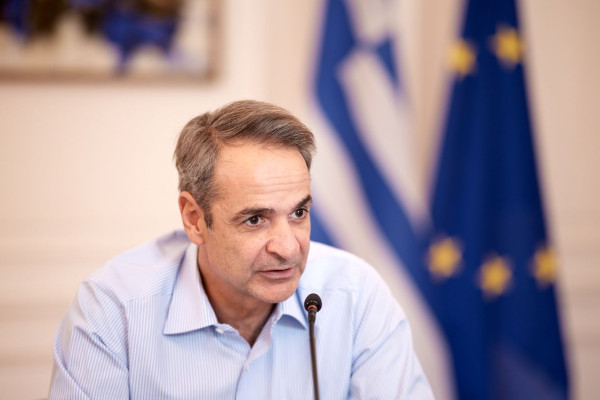
Greek Prime Minister Kyriakos Mitsotakis is preparing to announce on Saturday a package of tax cuts and social benefits worth about €2 billion for 2026, while keeping several additional measures under wraps ahead of one of the country’s most closely watched annual economic-policy speeches.
The measures are expected to be unveiled at the Thessaloniki International Fair, or TIF, an annual event in Greece’s second-largest city that traditionally provides prime ministers with their biggest platform for setting out economic priorities, tax changes and social-policy initiatives.
Government officials have sought to keep some announcements secret until Mitsotakis takes the stage. This year’s package, however, is expected to extend well beyond 2026. While measures for next year are set to total roughly €2 billion, parts of the government’s plan are designed to unfold over four years, effectively turning the TIF announcements into a longer-term economic-policy roadmap.
ΔΙΑΒΑΣΤΕ ΕΠΙΣΗΣ


The measures are expected to target a broad cross-section of Greek society, including self-employed workers, small and midsize businesses, families, civil servants, farmers and pensioners. Many are expected to be permanent rather than one-off subsidies.
Among the measures under consideration is a further reduction in taxes for farmers through a higher tax-free threshold. Families with three or more children could receive additional relief as Athens steps up efforts to address Greece’s declining birthrate and aging population.
The government is also considering a state-backed savings program for children up to age 18, with public funding contributing to their savings.
Civil servants could receive a permanent annual payment each March, while pensioners may see an already announced November benefit increased to €400 from €300. A more generous scenario under consideration would raise the payment to €446.
Around 1.87 million people, or roughly 85% of Greece’s pensioners, are expected to qualify for the payment. Eligibility has been broadened to include uninsured elderly people and people with disabilities, while changes to income and property criteria have added about 420,000 beneficiaries.
The government is also considering lowering the eligibility age for widows and widowers to 60 from 65 when a survivor’s pension is their sole source of income.