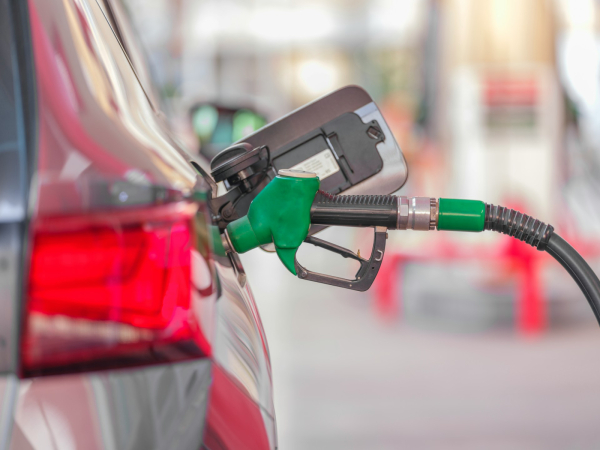
Greece has some of the highest gasoline prices in the European Union despite relatively low pretax fuel costs, highlighting the role of taxation in the country’s persistent cost-of-living pressures and intensifying a political debate over potential tax cuts.
Former Greek Prime Minister Antonis Samaras has called for reductions in fuel excise duties and value-added tax, arguing that government policy, rather than international energy markets alone, is responsible for keeping gasoline prices elevated. European Commission figures appear to support his central argument.
According to the Commission’s Weekly Oil Bulletin, dated Oct. 12, 2026, the average price of unleaded gasoline in Greece stood at €2.199 a liter, compared with the EU average of €2.010.
That made Greece the sixth-most-expensive country in the 27-member bloc for gasoline. Yet before taxes, Greek gasoline cost €1.058 a liter, below the EU average of €1.113. The difference underscores the impact of indirect taxation. Of the €2.199 paid by Greek motorists for each liter, approximately €1.141 goes toward taxes, equivalent to 51.9% of the retail price.
ΔΙΑΒΑΣΤΕ ΕΠΙΣΗΣ

Samaras, who served as prime minister from 2012 to 2015, criticized the government for maintaining high indirect taxes while accumulating substantial budget surpluses. He argued that reducing fuel taxes could provide immediate relief to households struggling with elevated living costs. Greece currently imposes an excise duty of €0.70 per liter of gasoline, almost twice the EU minimum of approximately €0.36. Reducing the duty to that minimum would lower the excise component by €0.34 a liter. Because Greece’s 24% VAT is also calculated on the excise duty, the combined reduction could reach approximately €0.422 per liter, assuming the entire tax cut was passed on to consumers.
Under that scenario, gasoline prices could fall to around €1.78 a liter. A further reduction in VAT from 24% to 21% could bring the price down to approximately €1.73, a decline of roughly €0.47 from current levels. For a motorist filling a 50-liter tank, that would translate into savings of approximately €23.50.