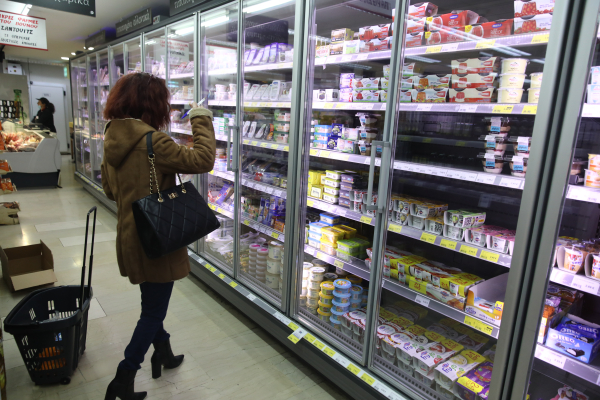
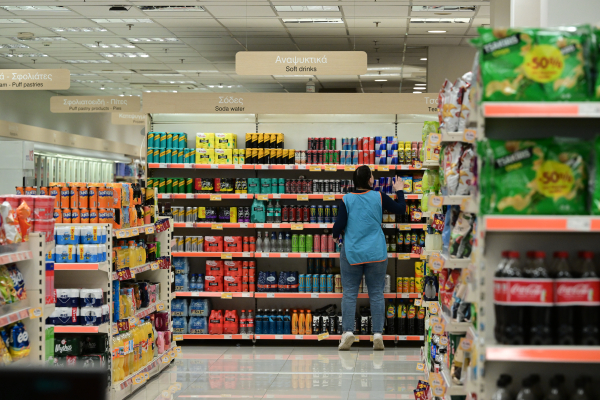
Greek consumers are facing another squeeze at the supermarket as dairy producers push through their second round of price increases in just a few months, underscoring how stubborn food inflation can persist even after broader price pressures ease.
Prices on about 100 dairy products are rising between 7% and 12% from Oct. 1, according to industry executives. The increases follow another round in June and affect a category worth roughly €2.7 billion ($3.2 billion) annually in Greece.
The immediate problem isn’t just energy or manufacturing costs. It starts on the farm.
ΔΙΑΒΑΣΤΕ ΕΠΙΣΗΣ



A contraction in Greece’s livestock population has reduced supplies of sheep’s milk, an essential ingredient in feta, while international demand for the country’s signature cheese continues to grow. The resulting competition for raw milk is pushing costs higher through the supply chain.
Dairy producer Kri Kri has also indicated that some increases in raw-material costs will have to be passed on to consumers from December onward.
The timing creates a headache for both retailers and the government. Greece has been encouraging supermarkets and suppliers to participate in a voluntary price-reduction initiative as households remain sensitive to the cumulative impact of several years of inflation.
Retailers say they won’t raise shelf prices unless suppliers increase wholesale prices. The bigger test will come during the final three months of the year, particularly around Christmas, when supermarket sales can run roughly 60% above the annual monthly average.
Regulation complicates the calculation. Through the end of 2026, products whose prices are increased are barred for three months from participating in promotions and special offers. That could encourage some suppliers to postpone increases until after the holiday shopping season rather than sacrifice promotional activity.
“If they don’t happen at Christmas, they’ll happen in January,” one retail executive said.
Consumers have already changed some purchasing habits. Since 2020, average prices for fresh white milk have risen 15.2%, while volumes sold have declined 4.7%. Infant-formula volumes have fallen almost 10% as prices climbed more than 17%.
Other categories have proved surprisingly resilient. Cheese prices have risen 26.3% since 2020, yet sales volumes are up nearly 28%. Yogurt volumes have jumped 32.5%, helped by growing demand for high-protein products associated with fitness and wellness.